

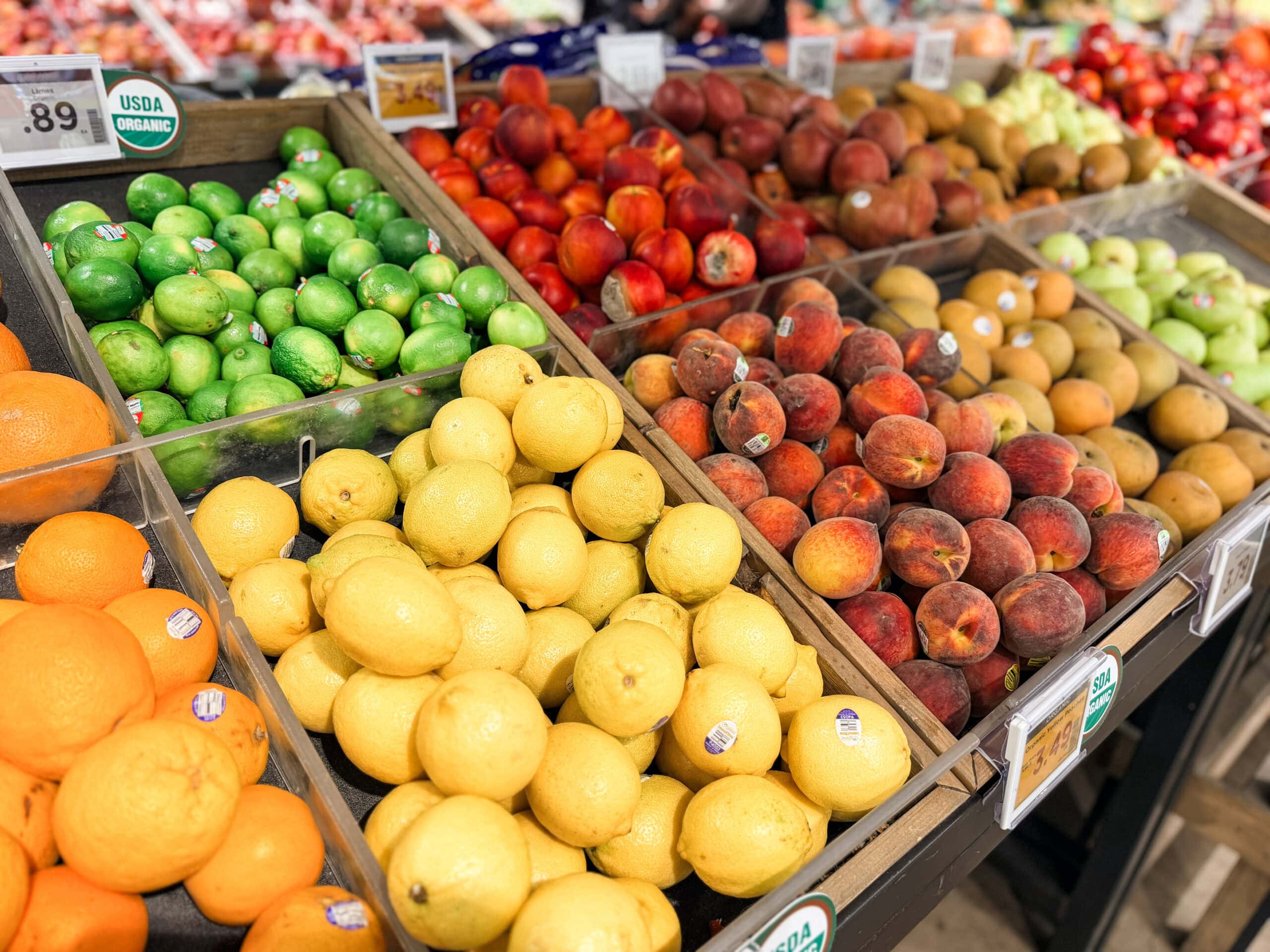
Produce Buying Tips
It feels like lately you blink and everything is more expensive – especially groceries! So, there are few things more frustrating when you’ve spent a small fortune on fresh produce only to find it rotten in a day on the counter or unusable for a week because it’s not ripe.
That’s why you need these secret tips to picking the best produce the next time you’re shopping. You’ll be armed with all the facts and and hacks you need to select the juiciest, freshest, and ready to eat fruits for your family.
P.S. Once you get your berries home – don’t miss these tips to help them last even longer!
Tips for Picking The Best Produce:
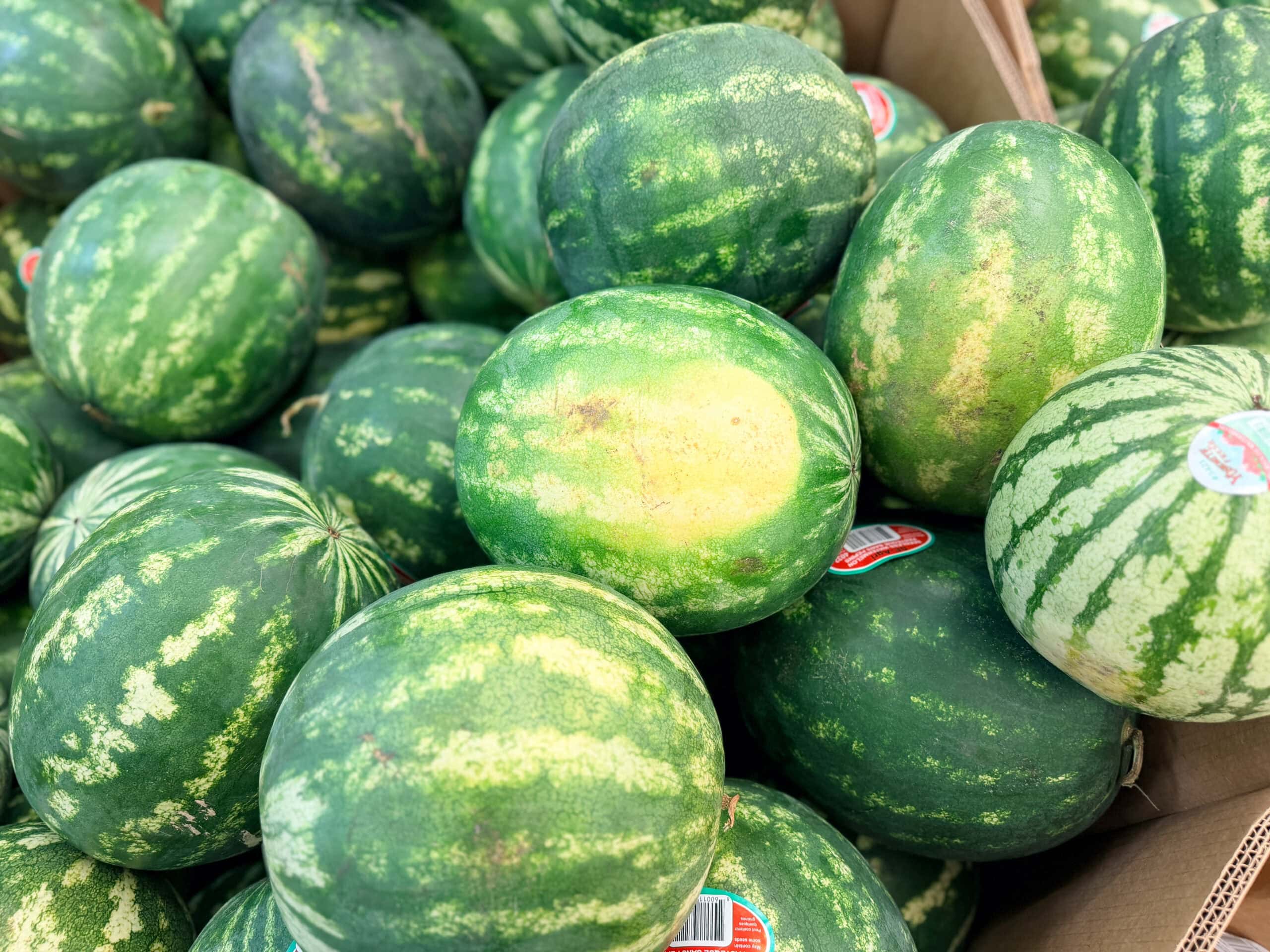
Watermelon – the best watermelons have a large yellow spot that shows they had a nice life sitting in the sun on the vine and weren’t picked too early. Look for watermelon that has a dull (not shiny) rind, sounds dense when you tap it, and is heavy for its size. Heavier fruits are sweeter, almost across the board!
Grapes – look for grapes that have a green, bendy stem – not brown or brittle. This ensures the grapes are healthy all the way through. Double check that there are no squished or withered grapes in your bunch, too.
Not sure what produce to buy and when? Grab our free seasonal produce guide!
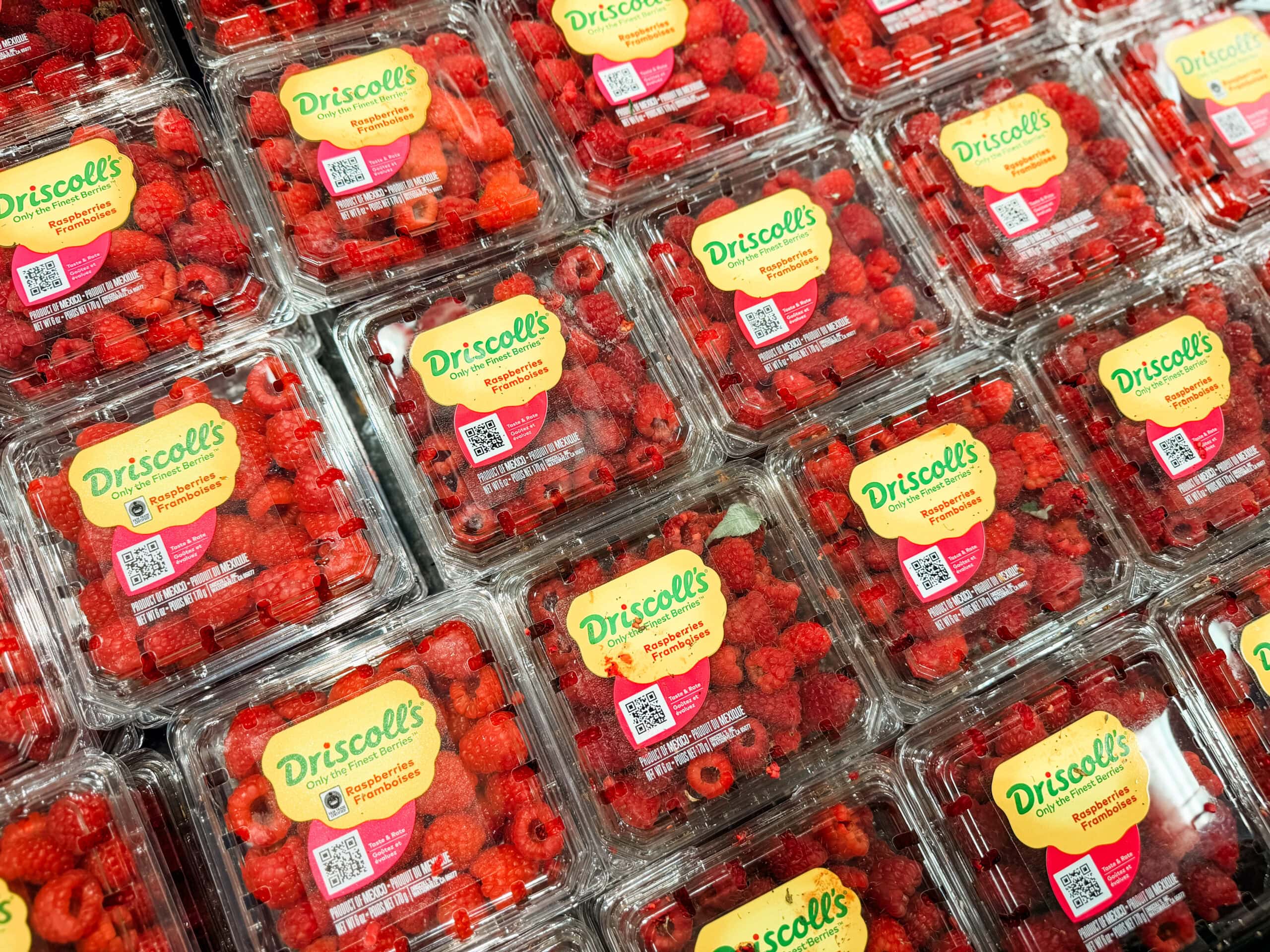
Raspberries – look for bright vibrant color, and dry berries. If there is moisture in the container, bacteria (mold) has already started growing and your berries are doomed from the start! Look for any smushed berries in the container and that when you flip it over no berries stick to the bottom.
Blackberries – avoid blackberries that have red spots – this means they were picked too soon and won’t be as sweet or tender. Try to find containers where the blackberries are all uniform in size – don’t waste your money on containers that have a bunch of littles mixed in.
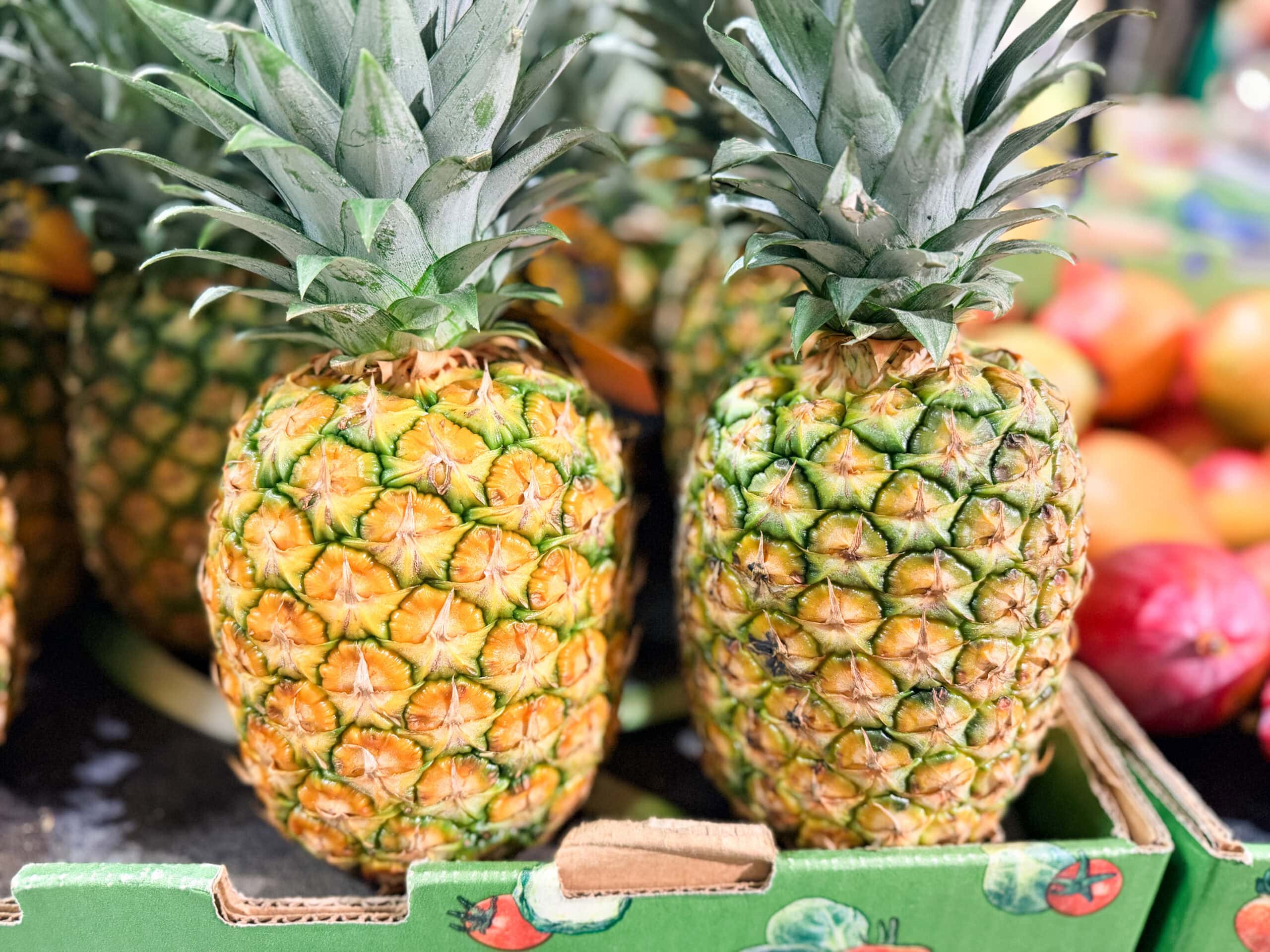
Pineapple – ripe pineapples will be golden from top to bottom and not green (notice the difference between the left and right in the photo). If a pineapple is right, you’ll be able to easily pluck a leaf from the center of the crown without having to tug. Finally, it will be sweet and fragrant on the bottom.
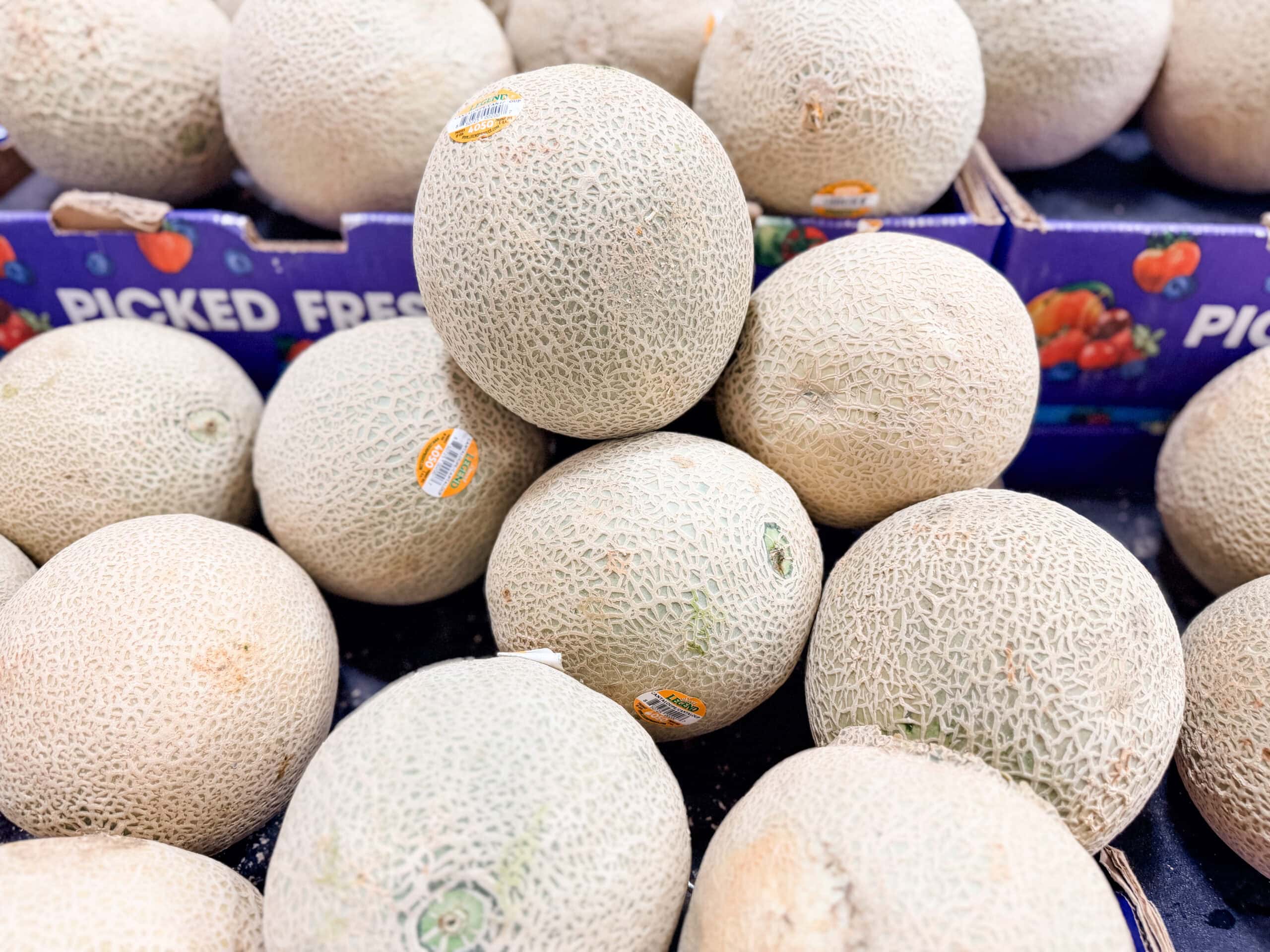
Cantaloupe – avoid cantaloupe that are too green on the rind because they’re not ripe and won’t be for a while! The tan netting should be raised, bumpy, and prominent. Thoroughly check melons for soft spots and bruises.
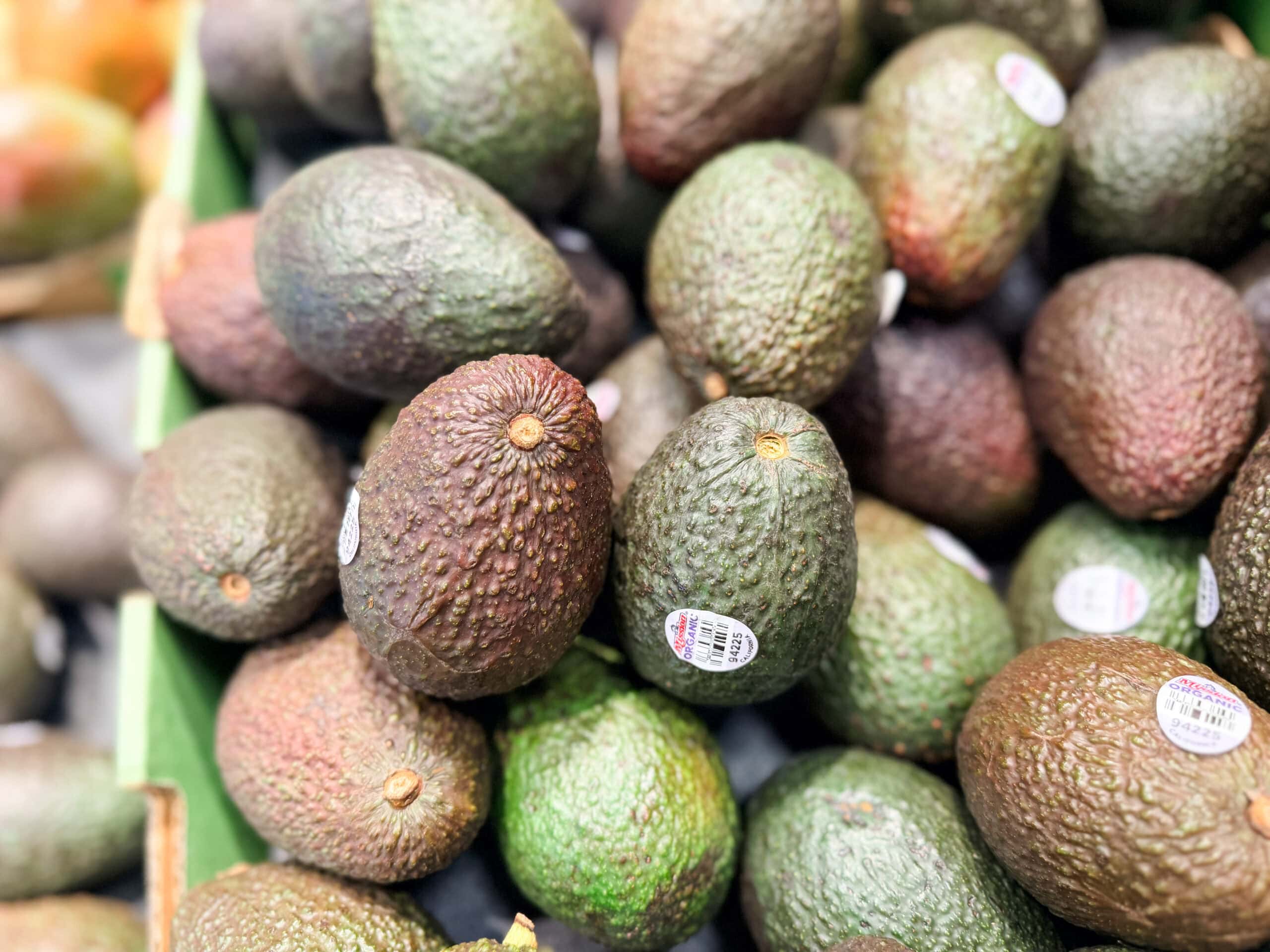
Avocado – ripe avocados will be soft when gently squeezed but not mushy. The darker green the skin, the riper the fruit. When shopping, make sure to pick an avocado that still has the stem cap (the little circle on top) intact. Once this is removed, the flesh inside is exposed to air and bacteria starts to grow, ruining the avocado from the inside out.
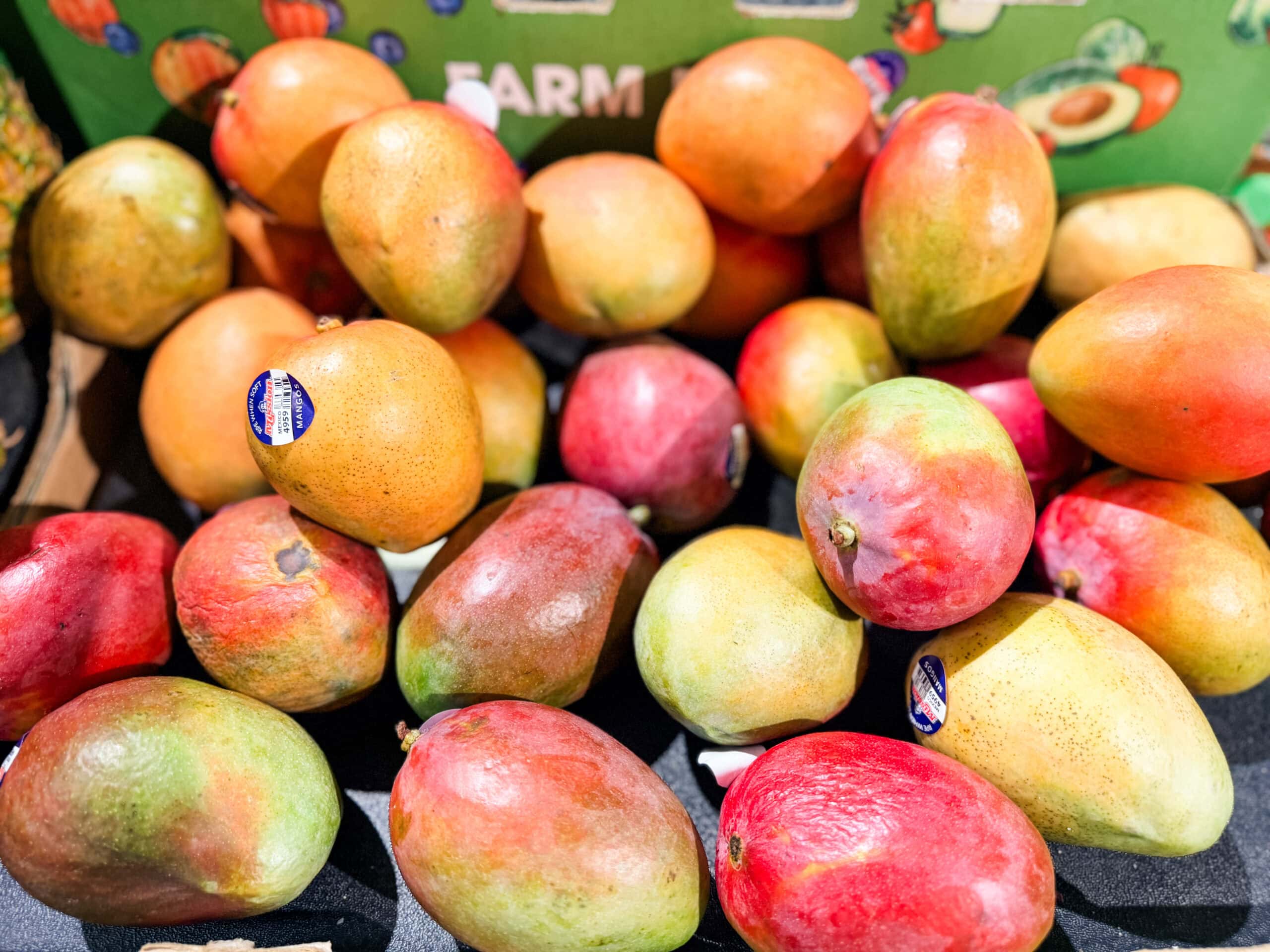
Mango – mangoes will feel soft when squeezed, just like an avocado. A common misconception is that the color of a mango indicates ripeness. However, ripe mangos can be any mix of reds, greens, and orange.
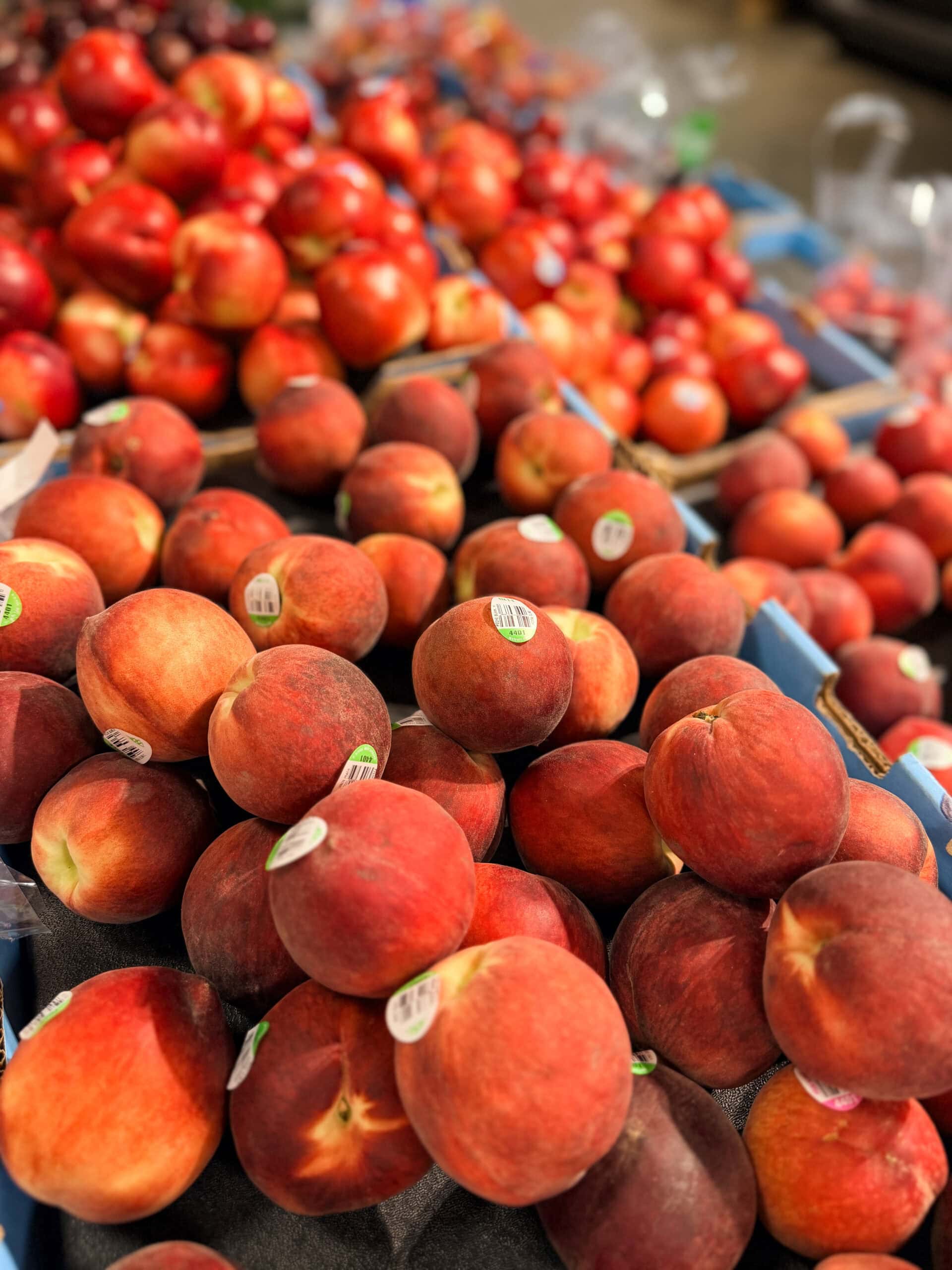
Peaches – ripe peaches will be rich in color and very fragrant. When squeezed, they’ll be soft but not mushy. If you squeeze it and it feels firm like an apple, it has days to go (or longer).
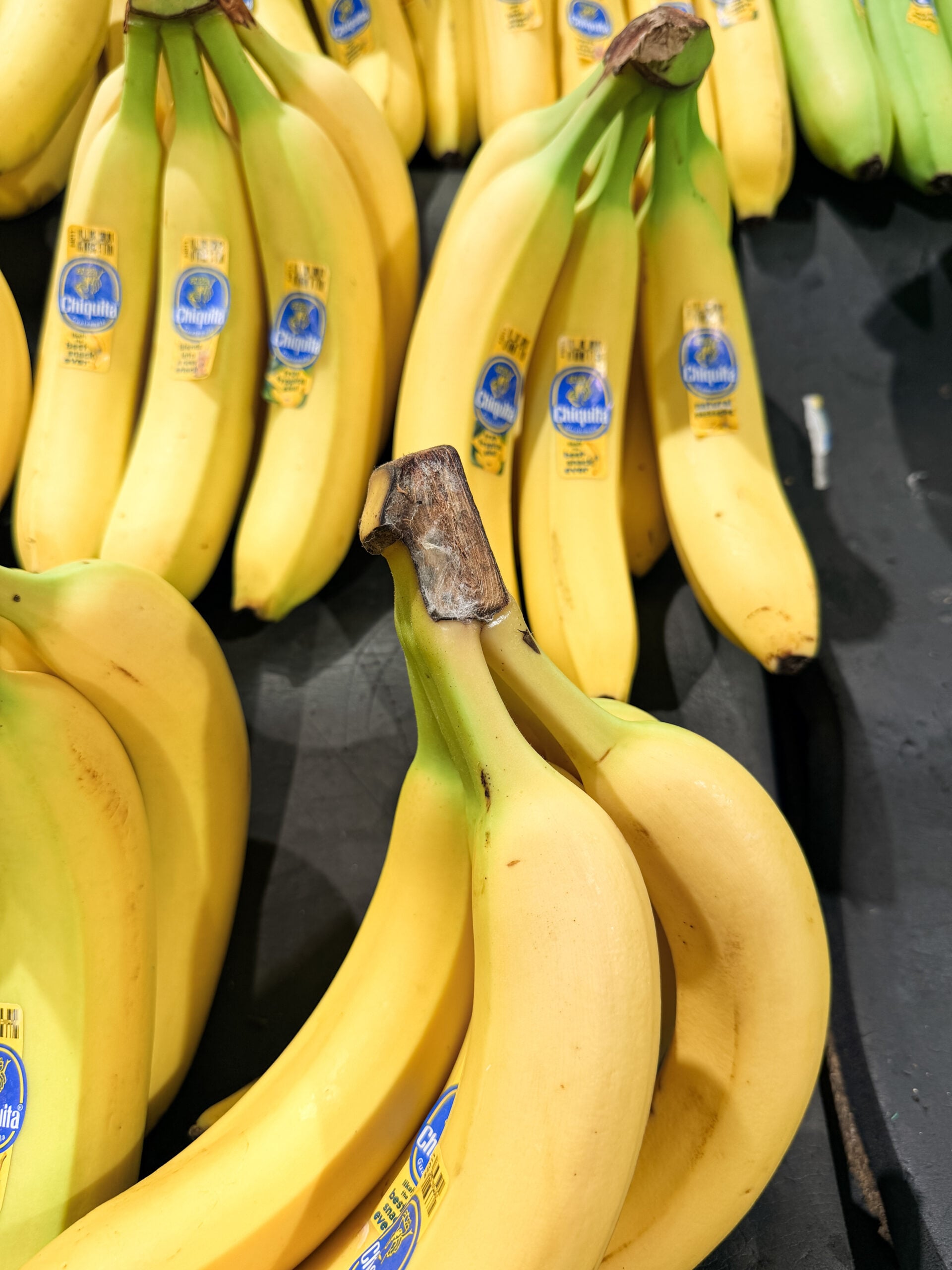
Bananas – most people look at the yellow part of the banana and totally is the stem. Check for mold on the top of the stem and avoid these bunches. A tip if you’re family eats a lot of bananas like mine – grab bunches in various degrees of ripeness so you always have them on hand. I usually get one that’s ripe right now (yellow) and a green bunch that will ripen on the counter over a few days while we eat the first bunch!
If you’re looking to cut your grocery budget and not sure where to start – we’ve got you covered. Here are a few great resources on how to actually reduce your grocery spending!



Leave a Reply